Traditionally, my yearly power poll discusses historical figures - usually including references to the Roman Empire. This year I want to talk about flight: Soaring off the ground to untold heights. Humans long dreamed of it before they invented machines that would make it possible. Now we can fly to anywhere in the world and have flown to the moon and back.
This week's power poll will be about historical moments and key inventions in the story of human flight. I'll apologize for the spelling and grammatical mistakes. I can't be bothered to edit my own work after procrastinating writing this article until the night before it was due.
Things will be in reverse order to keep it somewhat chronological.
#18 Maryland (2-2, 0-1): A boulder
Last Week: 16 High: 13 Low: 18 First Place Votes: 0 Last Place Votes: 9

You are a boulder. An inanimate object. You cannot fly. You've never dreamed of flying. You are content to stay on the ground. You are Maryland football.
#17 Rutgers (1-3, 0-1): Icarus
Last Week: 18 High: 15 Low: 18 FPV: 0 LPV: 1
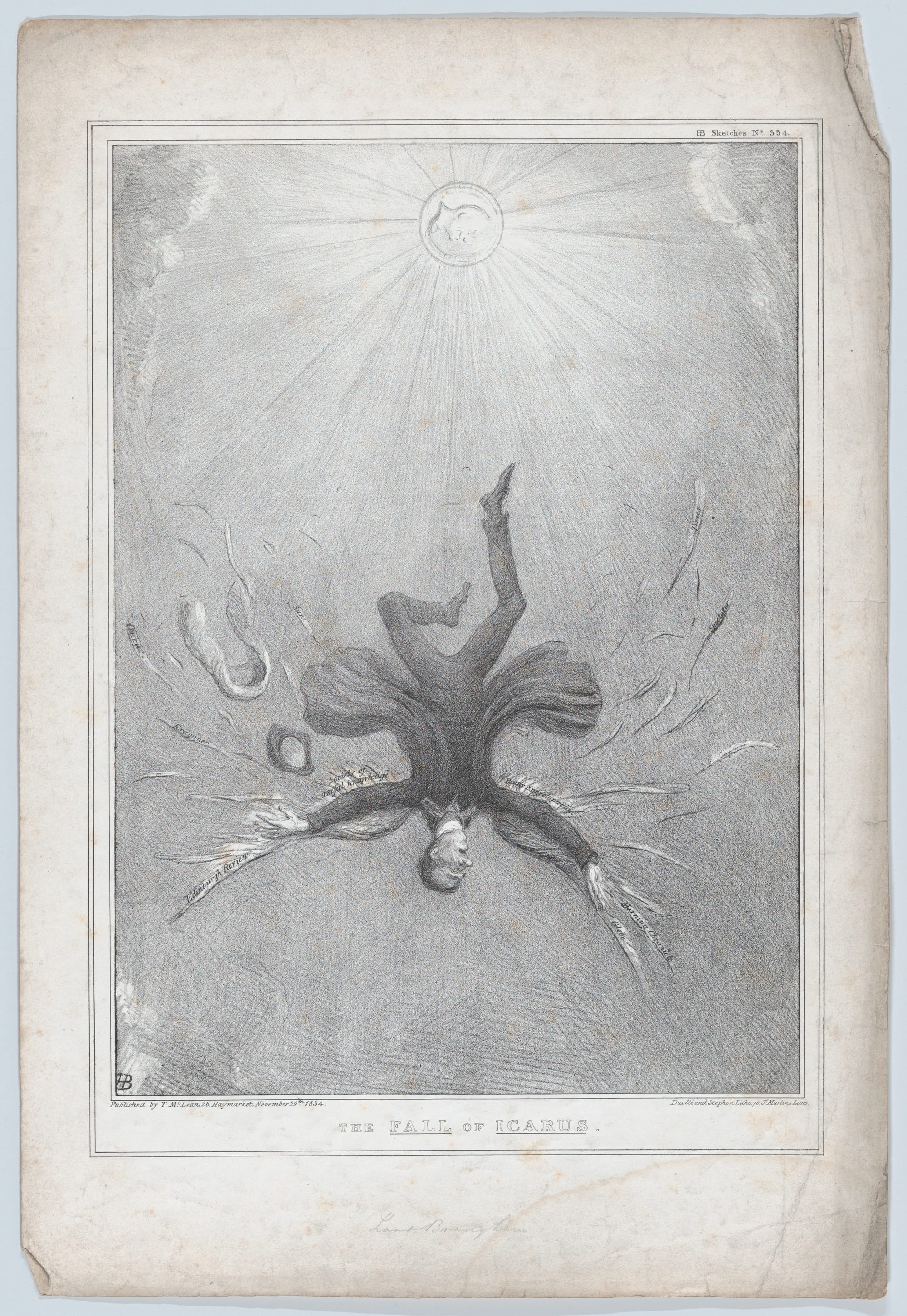
Since the dawn of time, humans have dreamt of flight. In Greek mythology, Icarus and his father, the master craftsman Daedalus, attempted to escape imprisonment in a tower by strapping two pairs of wings made of feathers held together by wax. Daedalus warned his son not to fly too close to the Sun or the sea. As the story goes, Icarus was overcome with joy while flying, soared higher into the sky, and the wax holding his feathers together melted. He plunged into the sea and drowned. The lesson of the story is to not be too ambitious.
Rutgers football should learn this lesson.
#16 Purdue (1-3, 0-1): Tower Jumping
Last Week: 17 High: 15 Low: 18 FPV: 0 LPV: 2

The story of Icarus may have been a myth, but historical accounts of actual attempts to fly after strapping feathers and wings to your arms do exist. One of the earliest documented attempts was in the 9th century by Andalusian scientist Abbas Ibn Firnas. As recorded by the court poet of Muhammad I of Cordoba, Firnas flew some distance before crash landing. He suffered "some injuries" and his failed landing was attributed to a lack of a tail which birds use to land.
Although tower jumping was generally unsuccessful with many deaths and broken legs, hard lessons were learned. Birds require tails to land. Purdue football should have learned you need a defensive coordinator to be competitive. Sadly, I think more tower jumps without one are still on the schedule.
#15 Michigan State (2-2, 0-1): Kites
Last Week: 14 High: 12 Low: 16 FPV: 0 LPV: 0

Kites are believed to have been the first man-made object capable of flight and heavier than air. They were invented in China back in the 5th century BCE. They eventually included man-lifting kites which were used for a variety of purposes (civil & military reconnaissance as well as an execution method of prisoners). The European explorer Marco Polo described the Chinese techniques of strapping a man to a kite and using the flight pattern to divine whether a ship should set sail.
Michigan State football is nothing fancy this year, but unlike the bottom three in the power poll, it can function.
#14 Washington (3-1, 0-1): Hot Air Balloons
Last Week: 11 High: 9 Low: 15 FPV: 0 LPV: 0

The first hydrogen balloon was developed in France. On August 27, 1783 the balloon was released from the Champ de Mars (the site of the Eiffel Tower today) and witnessed by none other than Benjamin Franklin. The balloon drifted northwards for a little under an hour before finally landing in a small village named Gonessee. Frightened peasants from the village attacked the balloon with pitchforks and destroyed it. The first manned flight in a balloon occurred on October 15, 1783. Since then hot air balloons have been used for a variety of purposes, including to great effect by the Union Army Balloon Corps under the command of Prof. Thaddeus S. C. Lowe.
Hot air balloons became the first design capable of lifting humans into the air and returning them safely. Control and steering however left something to be desired. Washington football similarly leaves something to be desired having lost at home to a B1G West team!
#13 Illinois (2-2, 0-1): Rigid Airships/Dirigibles/Zeppelins
Last Week: 12 High: 9 Low: 15 FPV: 0 LPV: 0
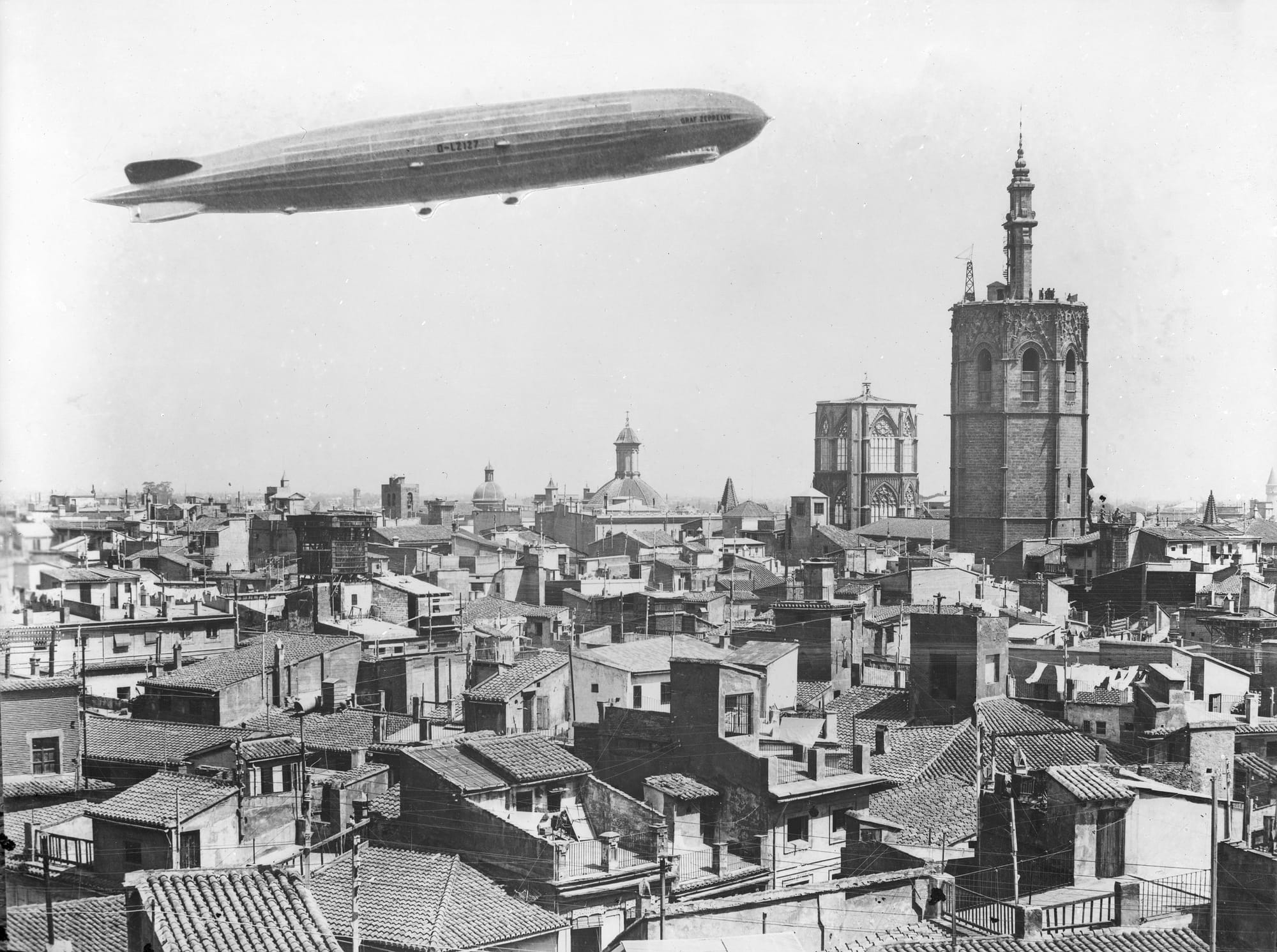
Choose your favorite name (should be zeppelin but I'll use a more neutral name), but the dirigible is a lighter than air aircraft that can navigate through the air using its own power. They use buoyancy from a lifting gas that is less dense than the surrounding air. Early dirigibles used hydrogen for lifting but hydrogen had ... problems due to its flammability. Helium has been used in more recent decades but is rare and more expensive. A rigid airship combines the pampering of a cruise ship... with the speed of... Some other, slightly faster ship.
Look, Illinois your rigid airship probably isn't powered by hydrogen. So you've got that going for you even if you were the first Big Ten team to fire a coordinator this season (I'm extremely jealous by the way).
#12 Wisconsin (3-1, 1-0): Gliders
Last Week: 15 High: 8 Low: 17 FPV: 0 LPV: 0
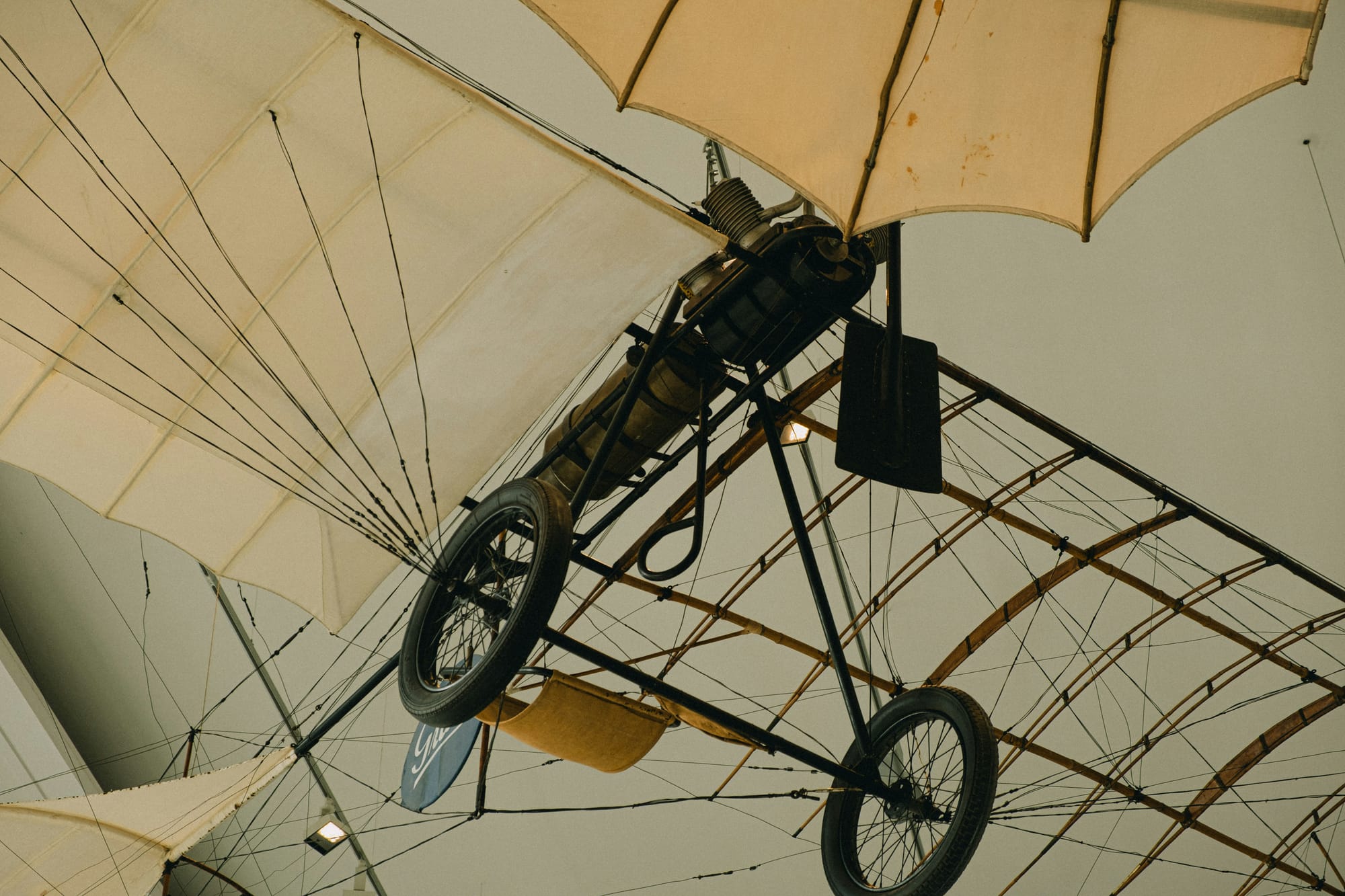
One thing hot air balloons and dirigibles is that they require gases that are less dense than air. Flying a heavier than air design required a more scientific understanding of the forces at play. Gliders paved the way to gaining that understanding and helped scientists explain the forces of lift, drag, thrust, and weight. They were then able to address the issues of propulsion, structural design, aerodynamics, and stability. Gliders in the 19th century were instrumental in discovering and understanding these important concepts. They were either towed to achieve height or launched off a ramp. In 1891, Otto Lillenthal began making controlled untethered glides routinely which is often seen as the beginning of human flight. Glider experiments at the Indiana Dunes directly paved the way to the first powered flight.
Gliders lack the ability to take off under their own power. Wisconsin lacks the power to finish in front of Penn State in this week's power poll despite beating Penn State. No, I don't understand why.
#11 Penn State (3-1, 0-1): The Wright Flyer
Last Week: 3 High: 5 Low: 18 FPV: 0 LPV: 2
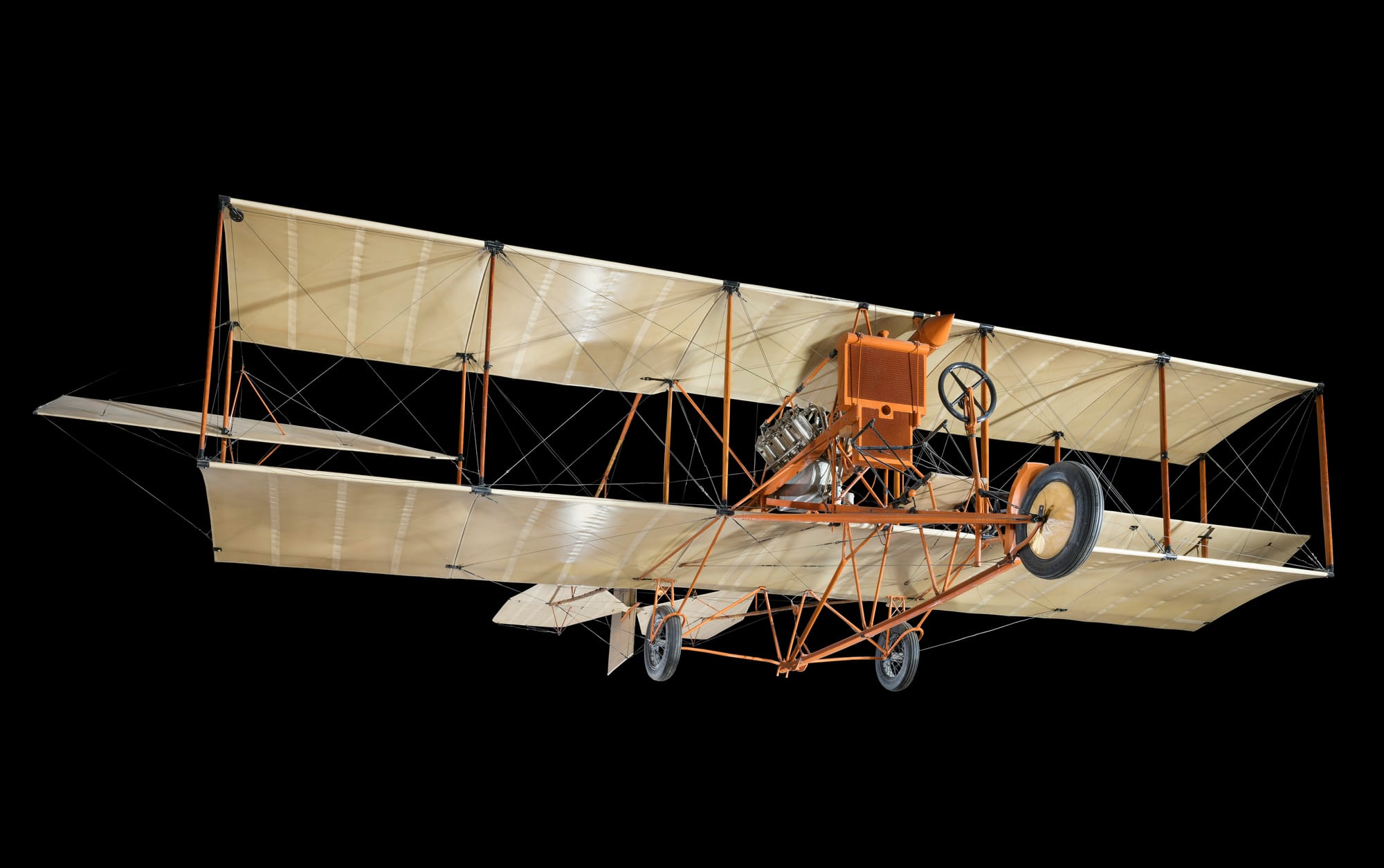
Originally, the Wright Brothers built and tested a series of kite and glider designs from 1898 to 1902 before progressing to a powered design. Their first glider only anticipated half of the lift they expected, but thanks to construction of a wind tunnel and subsequent testing, they improved their designs. On December 17, 1903, the Wright Brothers airplane Wright Flyer made the first sustained manned flight by a heavier-than-air, powered and controlled aircraft. The flight took place in Kitty Hawk, North Carolina and was followed by three additional flights. On the forth flight, the aircraft crashed and was wrecked.
Penn State may have crashed and wrecked at Wisconsin but their season is just beginning.
#10 Minnesota (3-1, 1-0): Junkers J 1
Last Week: 13 High: 6 Low: 15 FPV: 2 LPV: 0
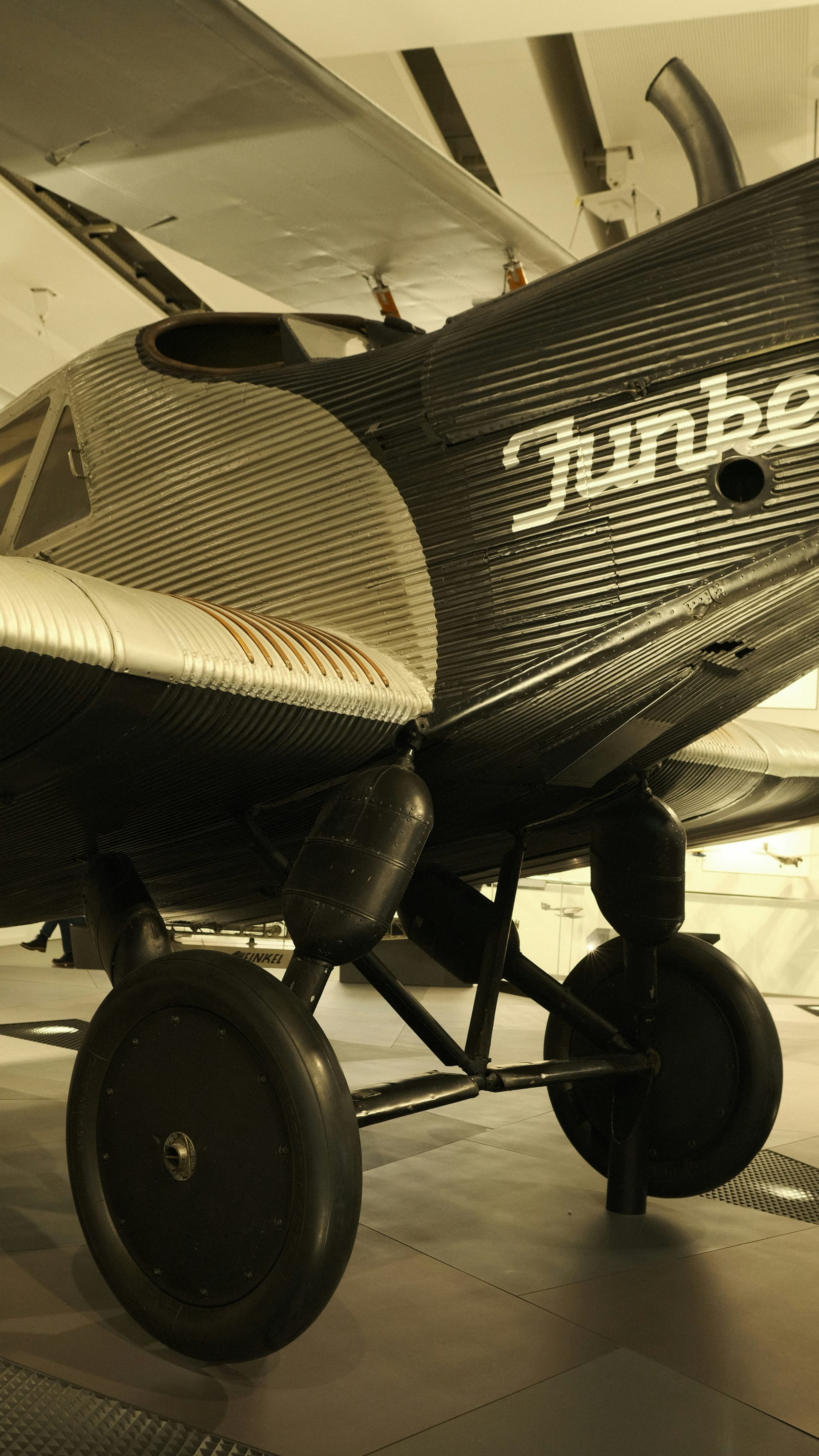
The Junkers J1, nicknamed the Blechesel (or Tin Donkey), was an experimental monoplane developed by the German company Junkers. It was manufactured early in the First World War and was the first all-metal aircraft in the world. Although it was purely a test craft and handled poorly during testing, the Junkers J1 was the future of flight.
I don't have a overly simplistic comparison for Minnesota and the Junkers J 1. Nobody can believe that the Gophers and Fleck are the future of football. That's also not a picture of the Junkers J1 as the plane was destroyed during Allied bombing of Munich in 1944. Anyway, this is just where the Gophers landed on the list.
#9 Michigan (3-1, 0-1): Amelia Earhart - 1st Female Nonstop Transatlantic Flight
Last Week: 10 High: 5 Low: 13 FPV: 0 LPV: 0
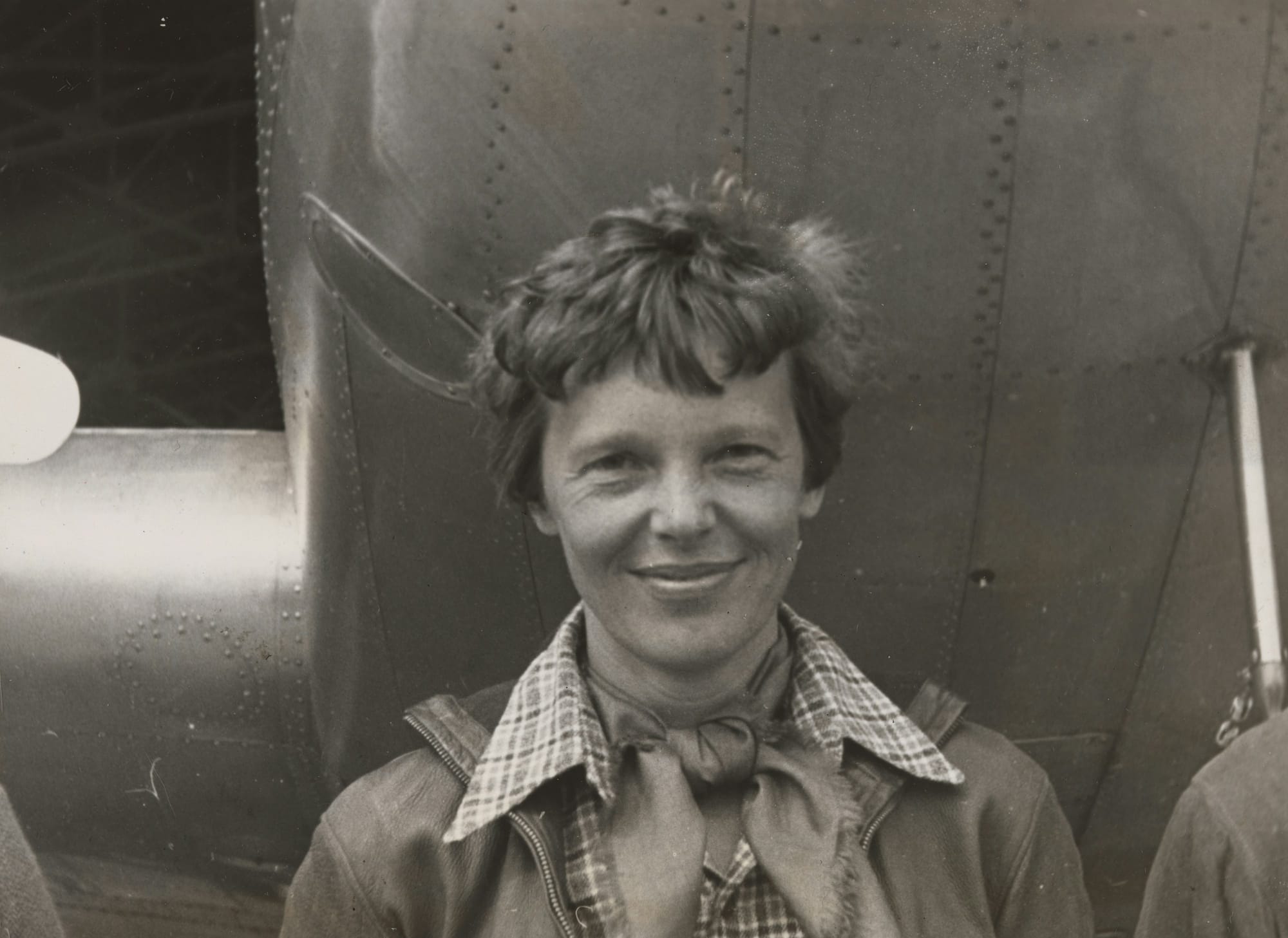
So this entry should probably just be the first non-stop transatlantic flight, but I don't have the time or patience for Nazi sympathizers so I'm going to recognize former Purdue faculty Amelia Earhart. [Ed : Good lad, BU89. Fuck that other guy.] In 1932, Earhart became the woman to fly solo non-stop across the Atlantic. 1932 truly was a year for Purdue! An aviation pioneer, Earhart has become one of the most well-known figures of early flight.
In 1937, Earhart disappeared while attempting to become the first female pilot to circumnavigate the world. One possible cause of possible confusion that may have led to Earhart's inability to reach Howland Island was that Earhart and the U.S. Coast Guard cutter Itasca were using different time systems set a half-hour apart. Michigan is also familiar with using different time systems than everyone else.
#8 USC (4-1, 1-1): First Aerial Circumnavigation of the World
Last Week: 5 High: 5 Low: 12 FPV: 0 LPV: 0

In 1924, an eight-man team of the United Army Air Service completed a 175-day journey the circumnavigated the globe. Originally a team of four planes, two crashed or were abandoned, but all the crews survived. The American team succeeded where the British, Portuguese, French, Italians, and Argentinians had not. The trip took 363 flying hours, covered 26,345 miles, and required multiple engine changes along the way.
USC's first college football playoff appearance may also require 175 football Saturdays before it happens, but they keep trying.
#7 Northwestern (2-1, 0-1): Jet Engines
Last Week: 8 High: 2 Low: 12 FPV: 0 LPV: 0
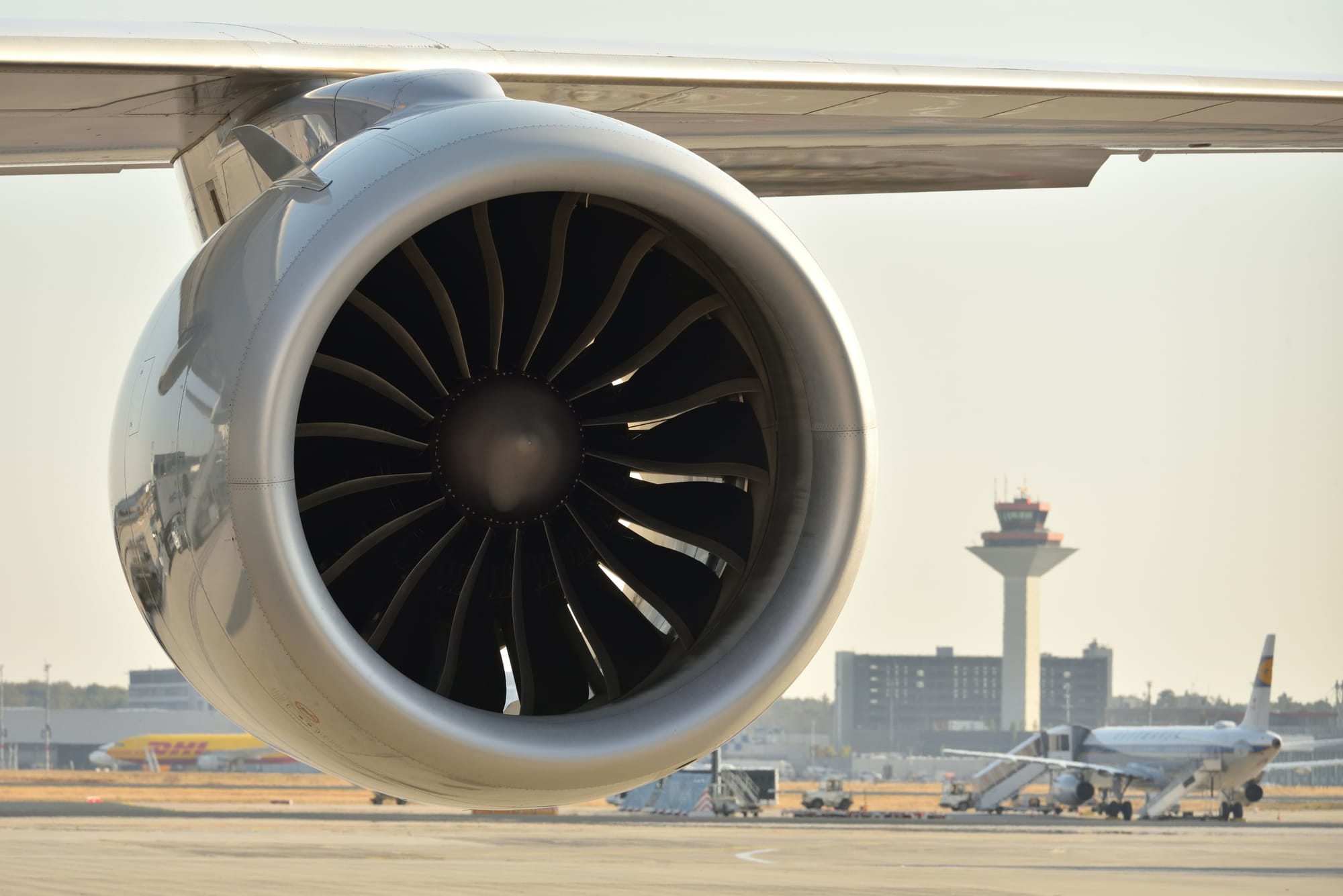
I could talk about jet engines all day and probably write a power poll solely about them. Early airplanes used piston engines, but there is an efficiency limit to piston engines. The jet engine changes all that by use of an axial flow compressor with a continuously burning combustor. The Messerschmitt Me 262 became the world's first operational jet engine aircraft and was faster and lighter than Allied counterparts. Reliability issues from material shortages and design compromises mid the aircraft entered operation only in mid-1944. Parallel development by the British under the direction of Frank Whittle and shared with the Americans resulted in the Meteor and Lockheed P-80. After the way, jet engines would go on to take over commercial air travel.
Northwestern has a fancy new stadium that they hope will help them take over the college football world like the jet engine took over airplane design.
#6 UCLA (4-0, 2-0): Helicopters
Last Week: 7 High: 4 Low: 11 FPV: 0 LPV: 0
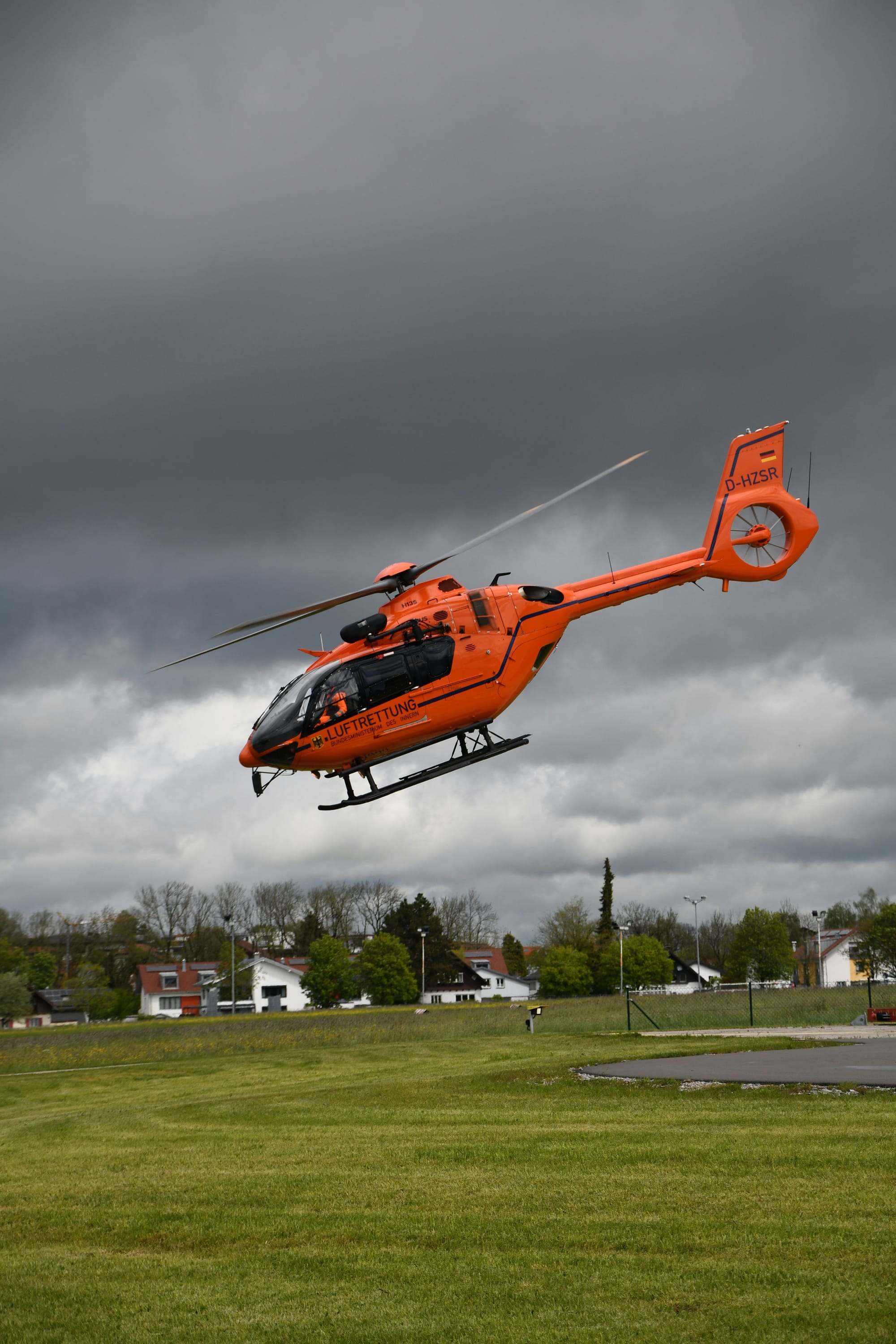
Helicopters actually predate the development of the jet engine and their horizontally spinning rotor allow the aircraft to take off and land vertically, hover, and fly backwards or laterally. Hundreds of pilots used helicopters in the response to the Chernobyl disaster, and that's fitting when it comes to my thought on helicopters: Only if it's an emergency.
Believe it or not UCLA currently sits in first place in the conference all alone at 2-0. They've also played two of the three worst B1G teams. Still, since Purdue isn't going to be winning the B1G this year I guess I'll hop on the UCLA helicopter. It's a football emergency!
#5 Nebraska (4-0, 1-0): Rockets
Last Week: 6 High: 2 Low: 11 FPV: 0 LPV: 0
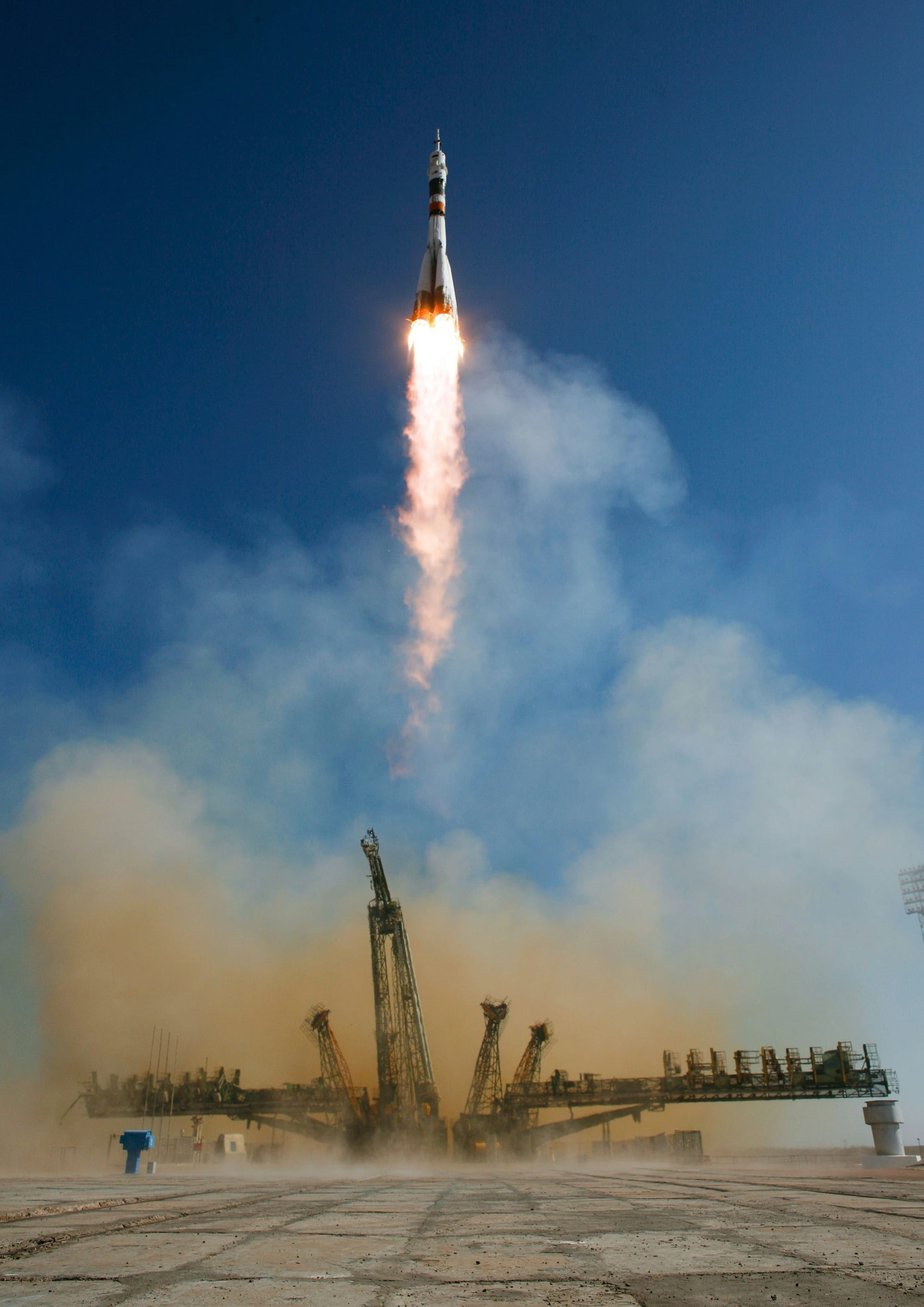
The first rockets were used to propel fire arrows in the Song dynasty of China. These were handheld devices. The Royal Arsenal of Great Britain demonstrated how to use solid-fuel rockets in 1805, and although they fired rockets on Fort McHenry in 1814, the plucky Americans held out. Rockets are cylindrical vehicles or projectiles propelled by the rapid ejection of exhaust gases. In the 1920s and 1930s, rocket technology improved to the point where they could be used to propel vehicles. Rocket technology would later become the basis of Soviet and US space programs being used to launch satellites and humans into space.
Nebraska is red and the national anthem tells me the rockets had a red glare. Nebraska is a sound, practical football team. They have many of the components you want to see from a contending football team, but haven't shown that they can use those components to accomplish something truly special yet.
#4 Iowa (4-0, 4-0): Sputnik
Last Week: 4 High: 2 Low: 8 FPV: 0 LPV: 0
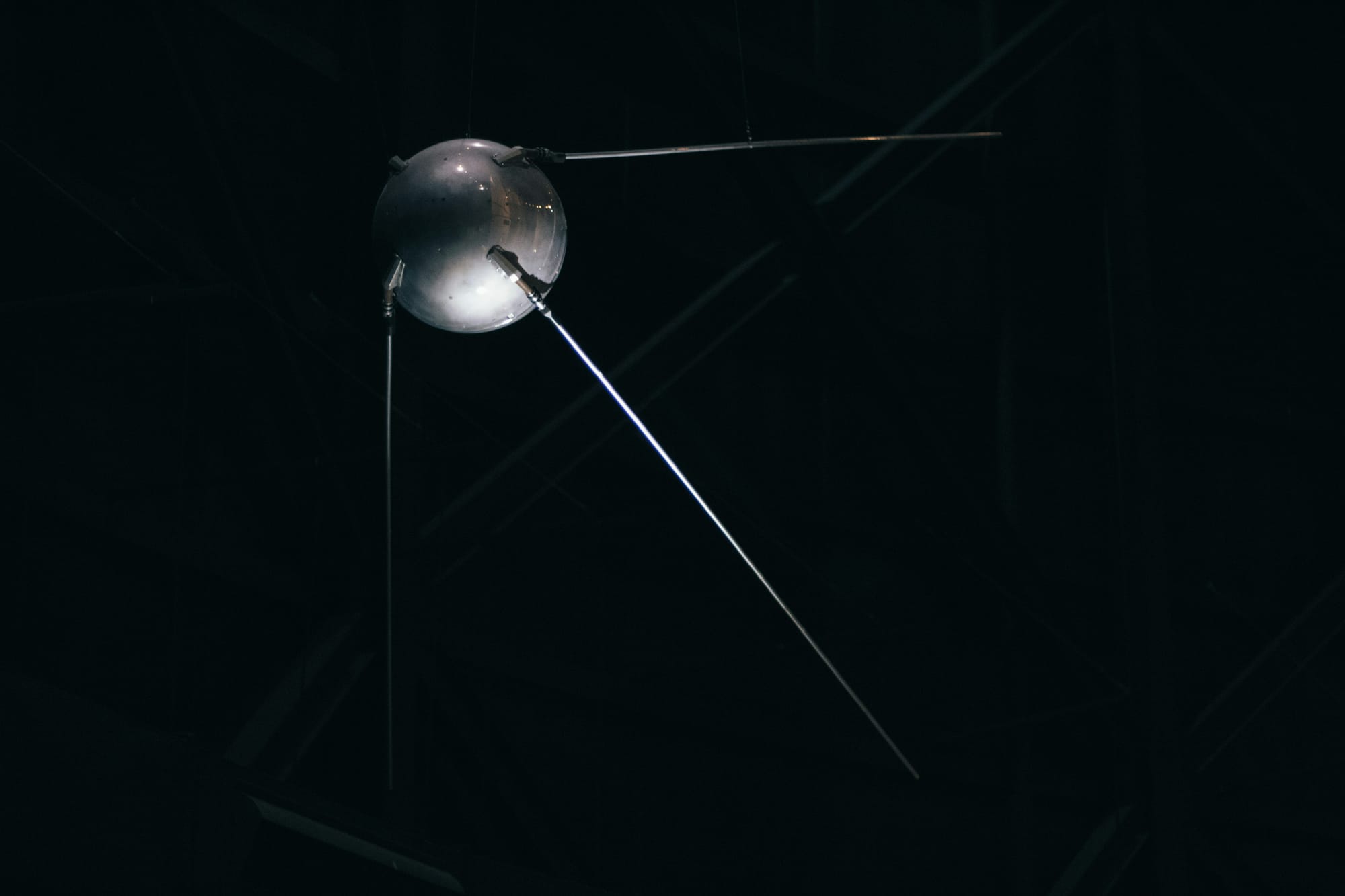
Sputnik was the world's first man-made satellite. Launched by the Soviets, they beat the US to be the first nation to put a man-made object into orbit around the Earth. Weighing just 184 pounds, Sputnik's launch into orbit on October 4, 1957 launched the Space Race.
Sputnik broadcast an extremely distinct, yet simple radio signal similar in its simplicity to Kirk Ferentz's offense. Beep-beep.
#3 Oregon (3-1, 1-0): Apollo 11
Last Week: 9 High: 3 Low: 18 FPV: 0 LPV: 1
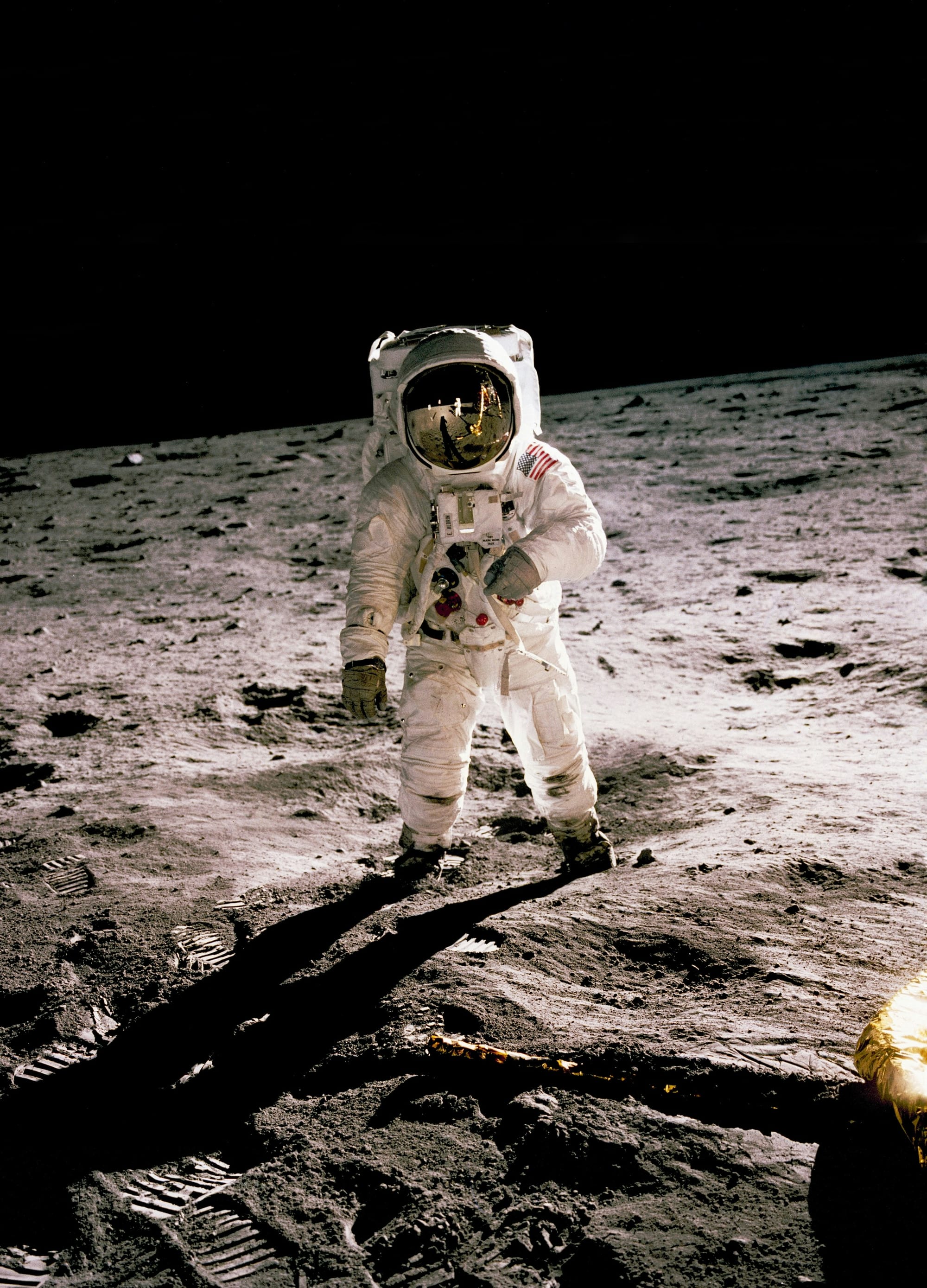
Okay, so Apollo 11 was supposed to be #2 on this list. But I just can't give our #2 school that cool of a comparison. So it's drops to the 3rd spot. Know that in my heart and mind, Apollo 11 is much more important than #2 on the list.
On July 20, 1969, the lunar lander from Apollo 11 touched down in the Sea of Tranquility. When his foot hit the surface of the Moon, Neil Armstrong claimed the moon for Purdue University and made one giant leap for mankind... or something like that. The flight of Apollo 11 to the moon and back was powered by a Saturn V rocket that took over from the Kennedy Space Center. Space is the final frontier and the exploration of it would not be possible had humans never gotten off the ground. From the myths of Icarus and tower jumpers of antiquity, each step in the progress of flight led to mankind landing on a celestial object they had gazed up at since before the dawn of history.
Oregon defeated USC over the weekend, the less important university that Neil Armstrong attended. As such they get to be associated with Apollo 11.
#2 Indiana (4-0, 1-0): Yuri Gagarin - 1st Human in Space
Last Week: 1 High: 1 Low: 18 First-Place Votes: 10 Last-Place Votes: 1
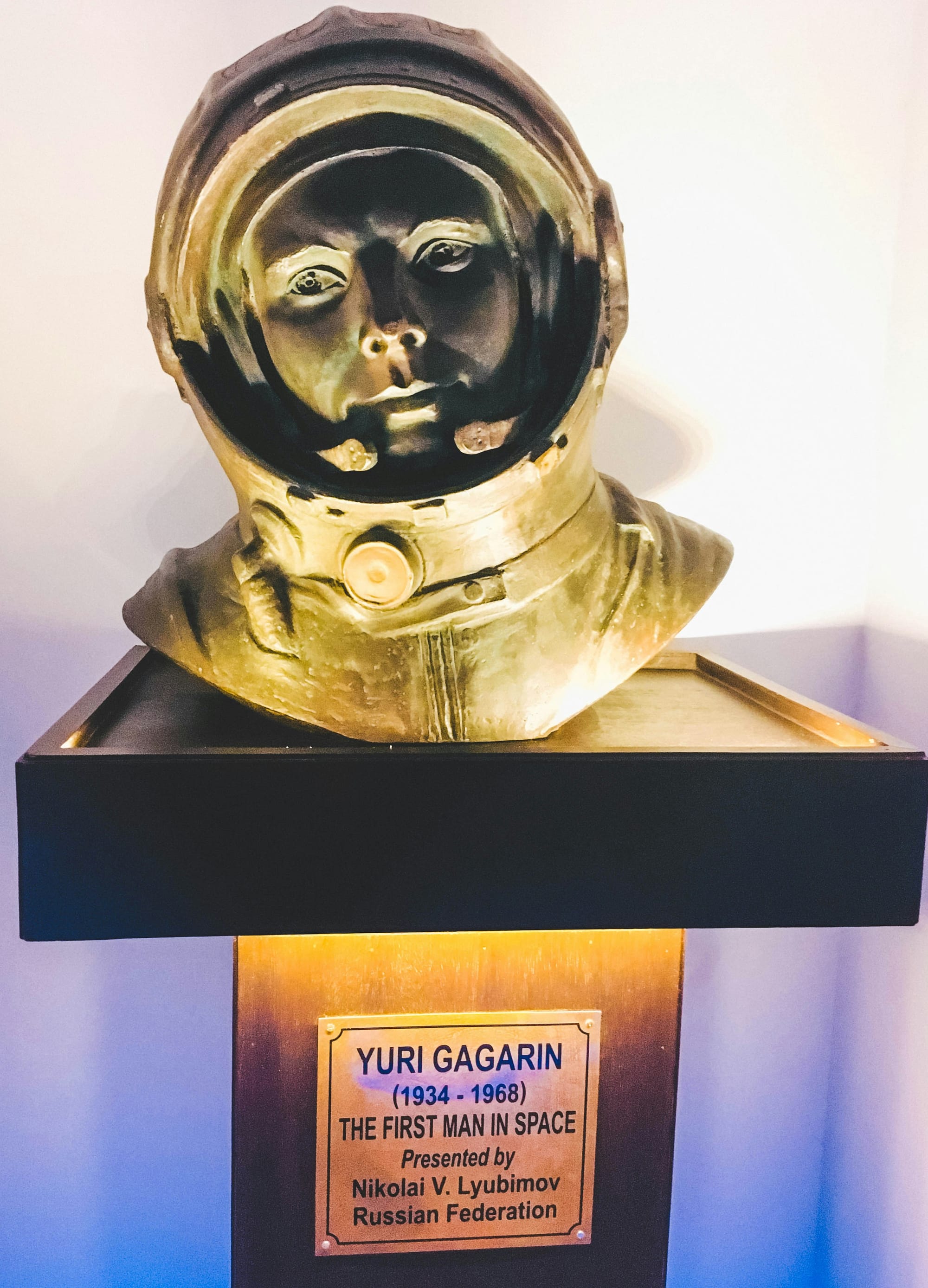
Some joker keeps voting for Indiana last in the power poll. I don't want to make a big deal about it, but as a result, the Hoosiers are second instead of first. Anyway, just like they had beaten the Americans to launching the first satellite, the Soviets launched the first crewed spaceflight. Traveling on Vostok 1, Gagarin orbited Earth once on April 12, 1961.
The comparison is pretty simple. As all our Cold War-era community members surely remember, Soviet Union = bad. Indiana = bad. Two peas in a pod.
In all seriousness, Gagarin and Soviet Union's accomplishment was a turning point in the history of spaceflight. For the first time, humanity had left the atmosphere. Indiana's football program has also achieved spaceflight.
#1 Ohio State (3-1, 1-0): Voyager II
Last Week: 2 High: 1 Low: 5 (hello!) FPV: 5 LPV: 0

In the 1970s, NASA launched the space probe Voyager I. For the past 49 years it has been flying through the Solar System and into interstellar space after being propelled by gravitational assists off the gas giants. In 2012, Voyager I became the first spacecraft to cross the heliopause and enter interstellar space. It had flown further than any other manmade object in history.
It should be obvious why I've paired Ohio State football with the Voyager I. The Voyager I has gone where Buckeyes football should go: out of this solar system.
That's it for this week's power poll. I hope I've entertained you some and walked you through the key moments of flight in human history.
Archiving This Year's Power Polls:
 Transient Buckeye
 Transient Buckeye
 Transient Buckeye
 Transient Buckeye